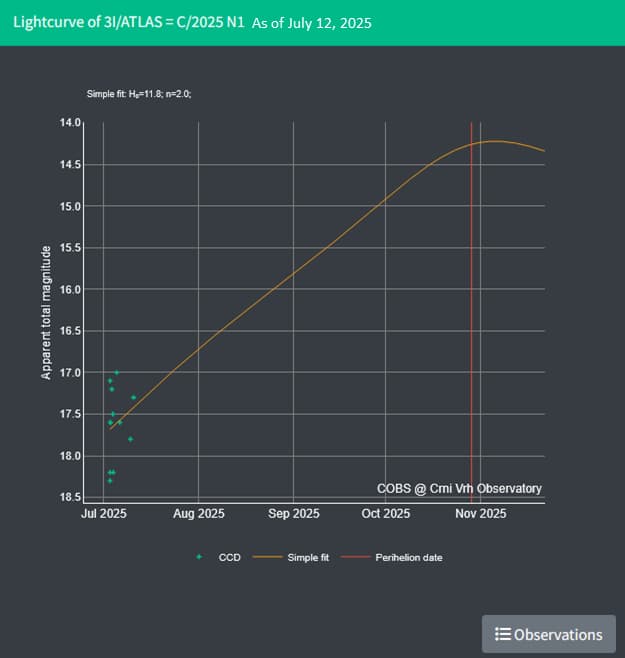
In case anyone is interested in observing or imaging this object, I’ve copied the current light curve from Cmi Vrh Observatory’s COBS database and posted it below. The light curve also plots some recent magnitude measurements as green data points.
3I/ATLAS, aka C/2025 N1 ATLAS, will be visible in the evening sky until September when it will be lost in the solar glare to the west at sunset. It will reappear in November in the morning sky before sunrise.
I’m waiting for this object to be consistently reported above magnitude 16.5 before I try imaging it from my light-polluted Bortle 7 backyard.
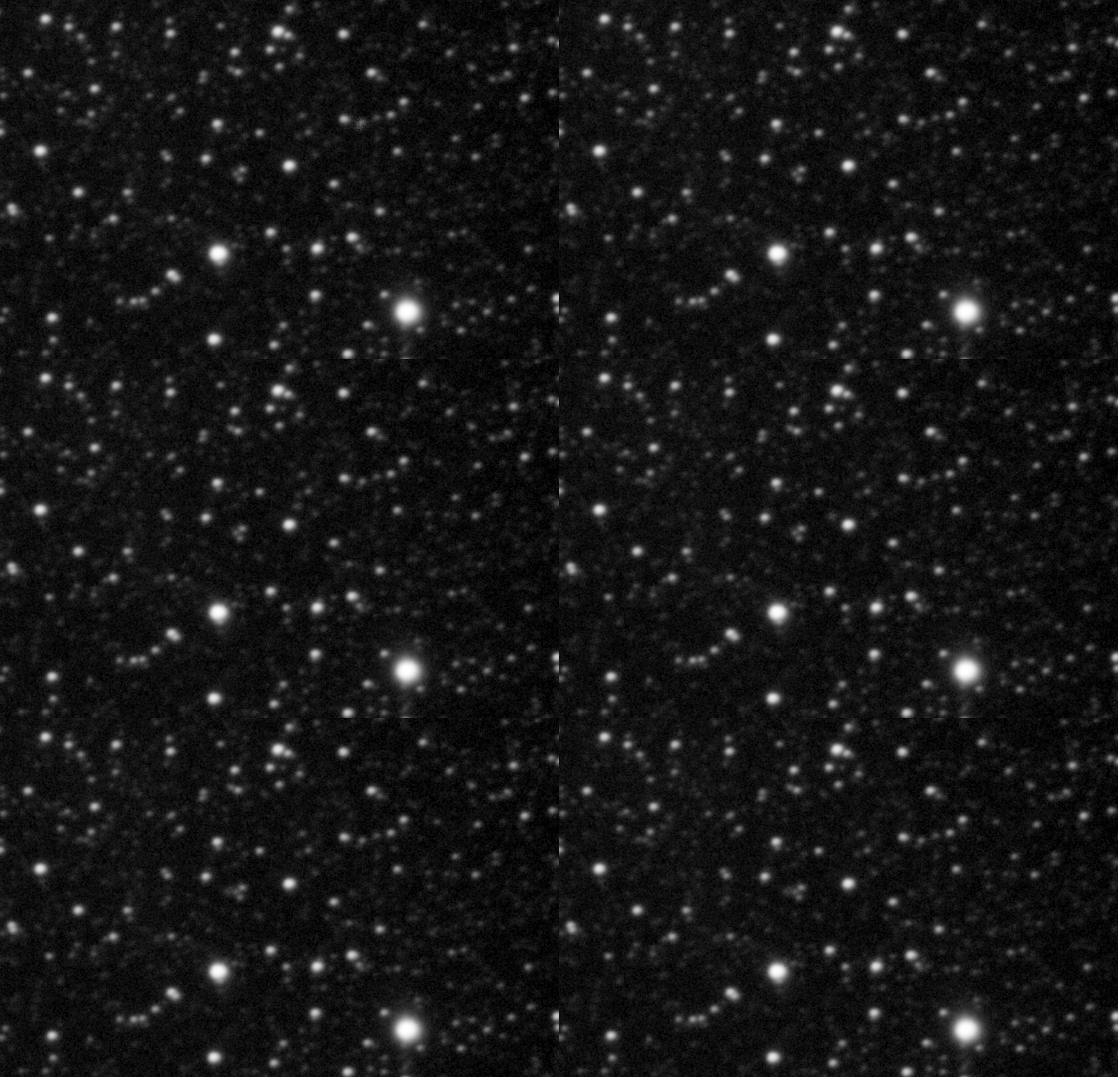
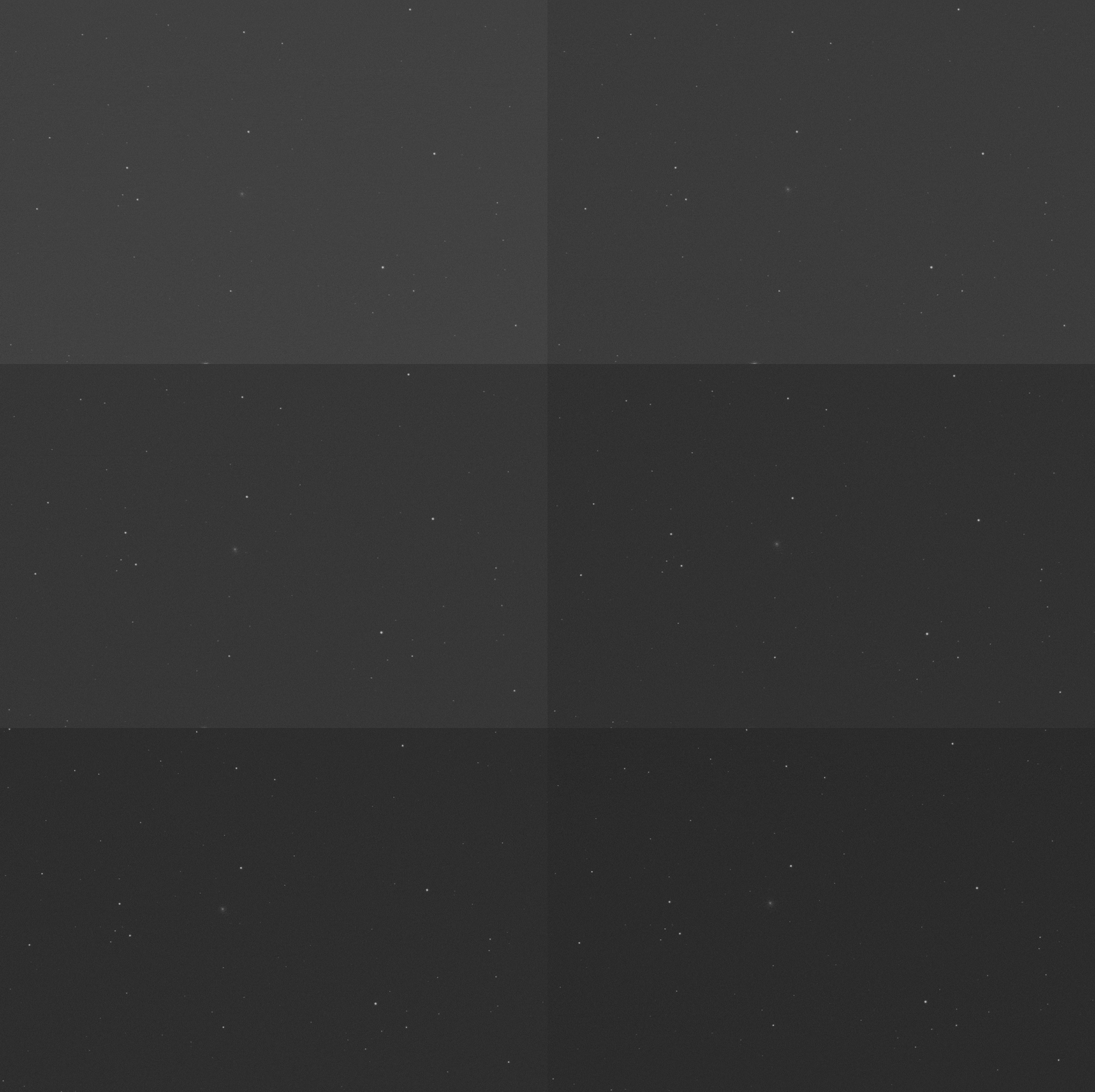
Here is an animation of Interstellar Object 3I/Atlas that I took from my home observatory last night. It is still extremely dim at about mag 18, but you can still see it moving in this animation.
It has a large apparent motion (over 1.5 arc-sec/min) even though it is still over 3 AU in distance from us. This animation 7 images over a period of about 40 minutes (0251-0332Z) with each individual exposure of two minutes.
1.5 arcsec/min is pretty fast for an object that far out. I’m going to try to capture 3I/ATLAS from CRO next Saturday with my Celestron Origin (150mm f/2.2). At magnitude 17-18 and moving at 1.6 arcsec/min it will be a challenging target.
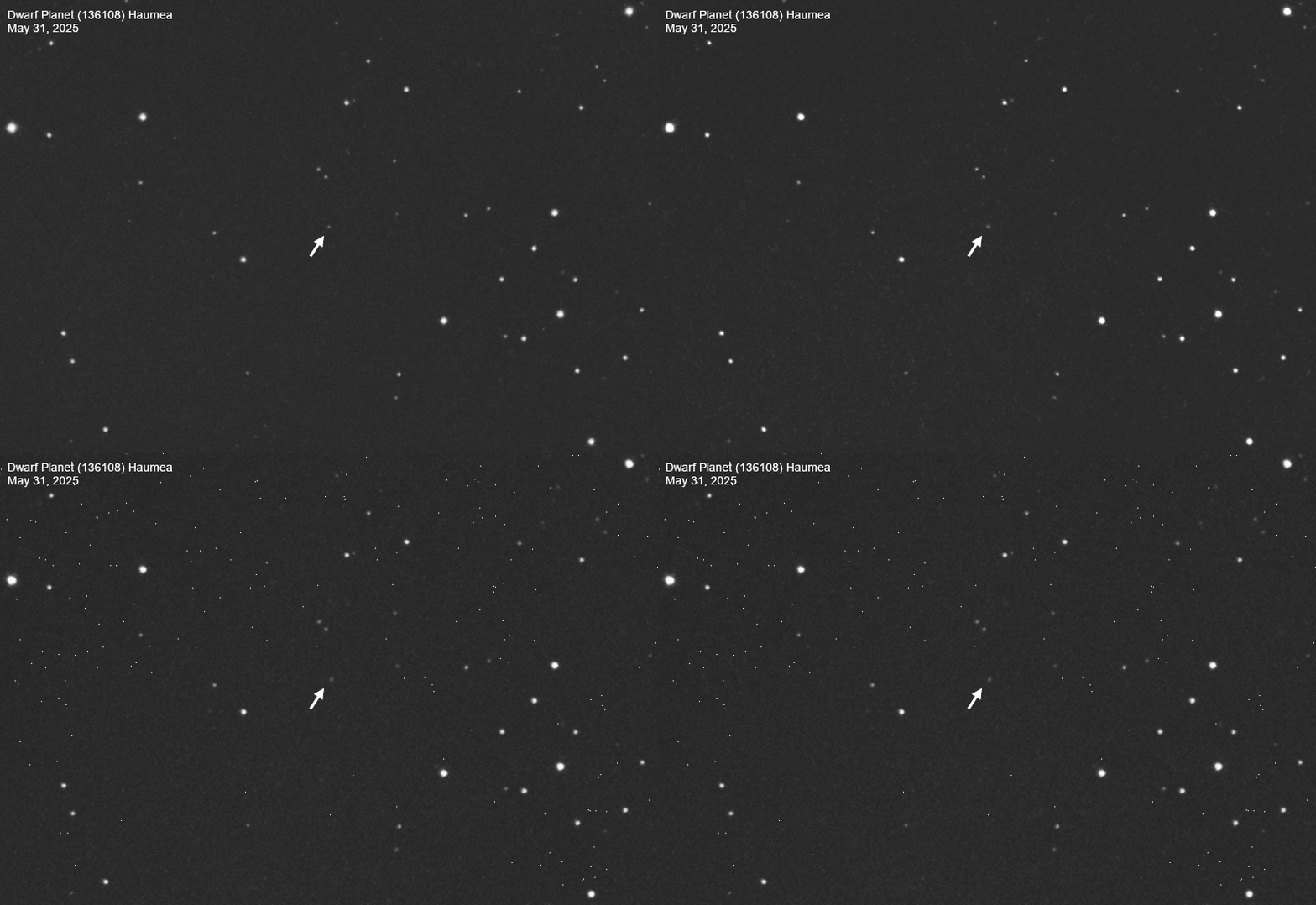
In May, I had some success capturing dwarf planet (136108) Haumea from my Bortle 7 backyard in Edmond. At the time it was Vmag 17.3 (animation below). Fortunately, it was only moving at 0.036 arcsec/min so I was able to use fifteen-minute integration times for each image of the two-hour animation. Of course, 3I/ATLAS will be moving much faster so my exposure times will be very significantly reduced.
Great shot on imaging Haumea from your backyard.! I have imaged this object before in 2006 also from my Bortle 6 backyard. You can view the result here.
Back then it was just a Kuiper Belt object with the designation of 2003 EL61. Since then, it has been officially named and promoted to minor planet status.
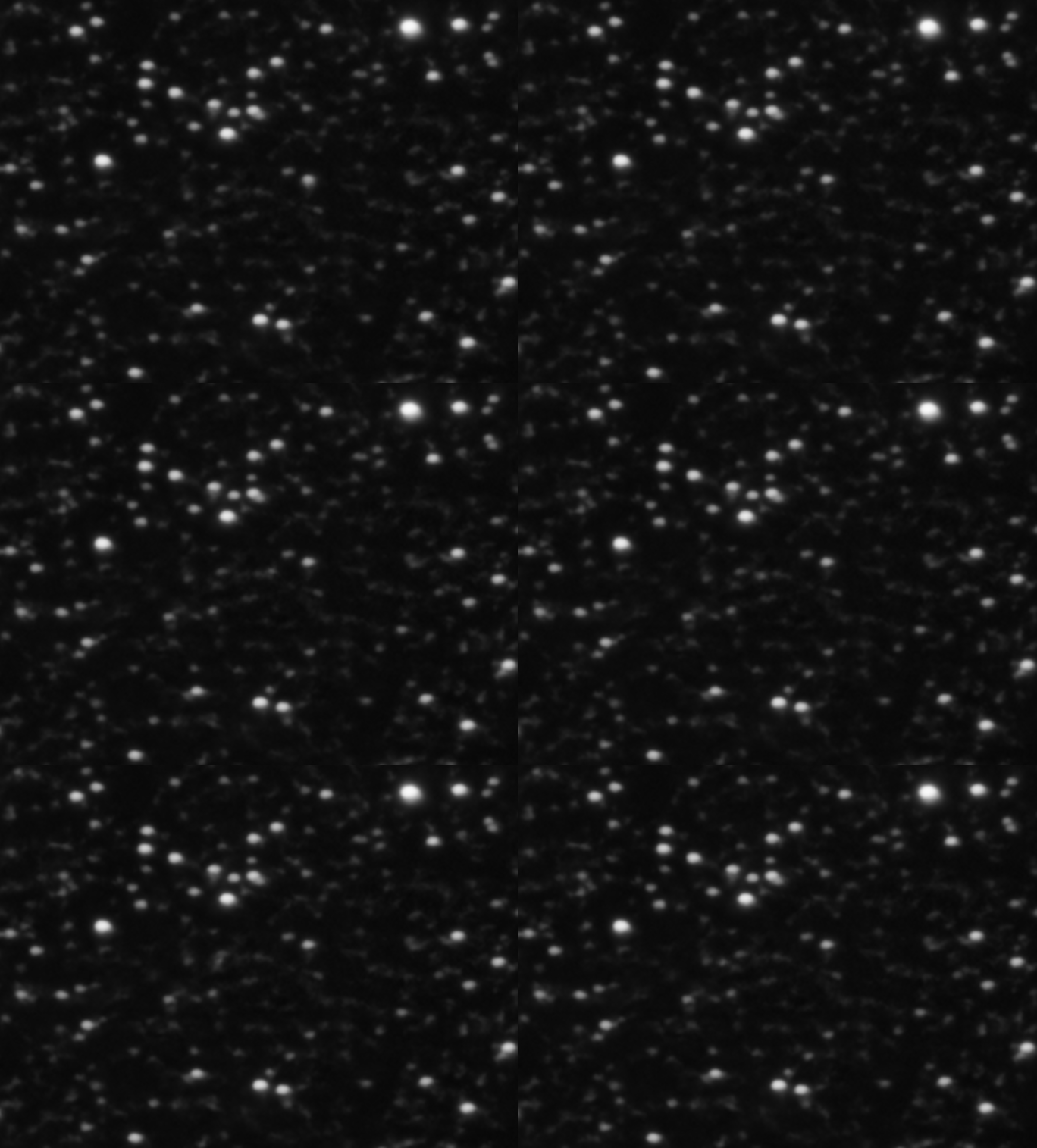
I imaged 3I/Atlas again from my Bortle 6 backyard last night and here is the result.
Another fantastic capture of 3I/ATLAS! Quite a catch, especially under Bortle 6 skies and being only 30-35 degrees above the horizon. From my backyard it would be just over the top of hot rooftops and inside the muck of the Oklahoma City light dome.
The 2006 animation of Haumea was nicely done too. It shows a lot more movement over 48 hours than my measly two-hour sequence.
Yes, presently I am only able to image this object for about 30-45 minutes until it hides behind a tree to my south. Aperture definitely helps; I imaged this with my 12" Meade RCX-400 scope in my observatory. I also have a 17" Planewave CDK, but it is not presently setup outside and will not fit in my observatory that houses the 12". With the CDK, I can easily image asteroids down to 20 mag but the RCX it is only good to about 18-19 mag objects. Here’s an example of dwarf planet Makemake that I imaged from my backyard with the CDK in 2020. At the time, Makemake was 53 AU in distance about 50% farther than Pluto.
Nicely done Makemake. That 17-inch is a real light bucket.
Here’s my Makemake, three years after yours at half the aperture (c8 203mm operating at f/5.8). Nine images, twenty-minute integration per image. Animation covers 2.75 hours. Vmag 17.1.
Really glad to see the interest in imaging 31/Atlas. I am very interested in capturing some images of it if possible. My scope is probably too small at this magnitude, but I may give it a try anyway.
The antimations were great to watch.
Thanks for the information.
Stan
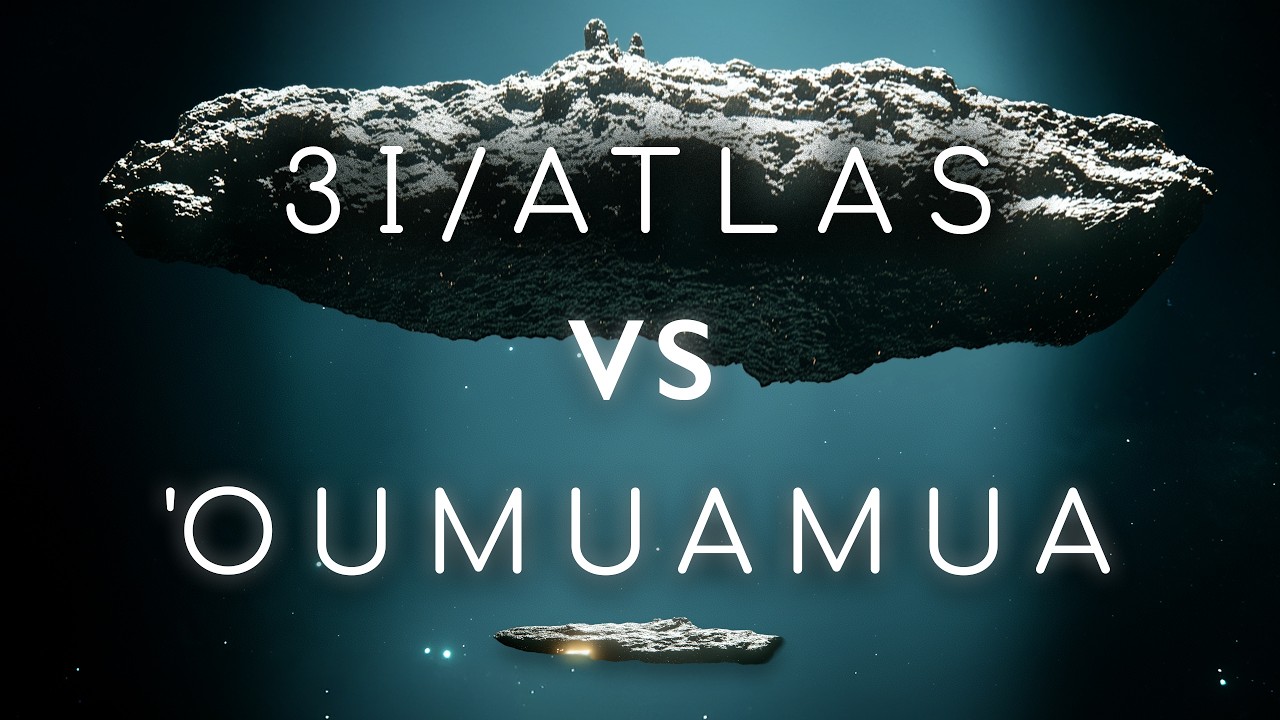
I found this video to be very informative about what we know so far about 3I/Atlas. It also provides a lot of interesting comparisons to 1I/Oumuamua and 2I/Borisov.
I’ve tried twice to image it, but haven’t gotten it yet. Forecast is good for this evening so will try again tonight, and hopefully Saturday night at CRO too. It’s currently about magnitude 17.8, so still very dim. Right at the limits of my eVscope 2.
I don’t know how many folks are following along with what we’re discovering about 3I/ATLAS aka C/2025 N1 ATLAS, but it appears to be presenting some very strange data.
Do I believe it’s really an extraterrestrial spacecraft? Absolutely not. But it is raising a lot a questions. Like the first interstellar object we have spotted, 1I/ʻOumuamua, the data is not quite what we expected. (2I/Borisov, the second confirmed interstellar object we’ve detected, apparently behaved just like a comet from our own solar system. IOW, move along; nothing to see here).
I’m not surprised by this. We look at our solar system and for some reason lots of folks expect the rest of the universe to be copies of our system. Well, as we discover and study more and more exoplanets, it looks like our solar system may be the exception, not the norm. Why would we not expect interstellar objects passing through to be different, also?
I don’t know how accurate some of the videos and stories are that are out there on 3I/ATLAS, but I find them fascinating to read and watch. Tonight it’s passing VERY close to Mars. I’m hoping to get some science data on it tonight at First Friday, but it will be very low on the horizon, and only visible for a few minutes, so I’m not holding my breath on getting any useful data. But I’ll try.
Here’s the latest video I’ve found on it. Again, I do not vouch for the accuracy. It may well be AI generated, and not have much factual data in it. But it’s fun to watch anyway.
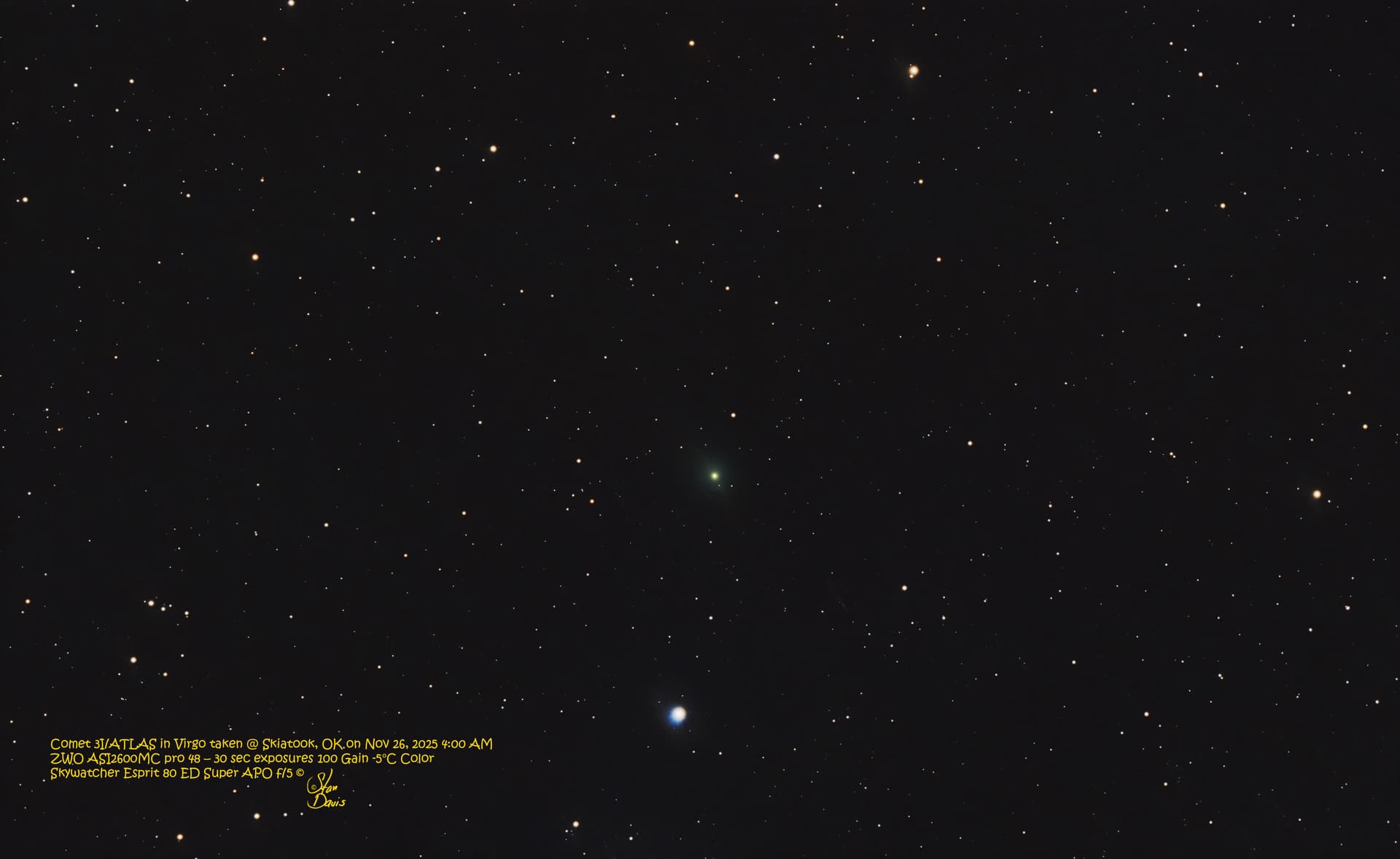
I was able to get an animation of the comet 3i/Atlas but, it has taken until Nov 26, 2025 before I had a chance to take images of the comet. Then it has taken me quite a while to make the animation. The gif is not very good but it is the best I could do to make it small enough to fit on the website.
I want to share it here with OKCAC because my very good friend Rod Gallaghar, had made some animations of 3i/Atlas and posted here. He passed away in December and I have seen the very nice posts. The telescope, mount, camera, software, and computer used to take these images were all recommeded to me by Rod. I truly miss Rod.
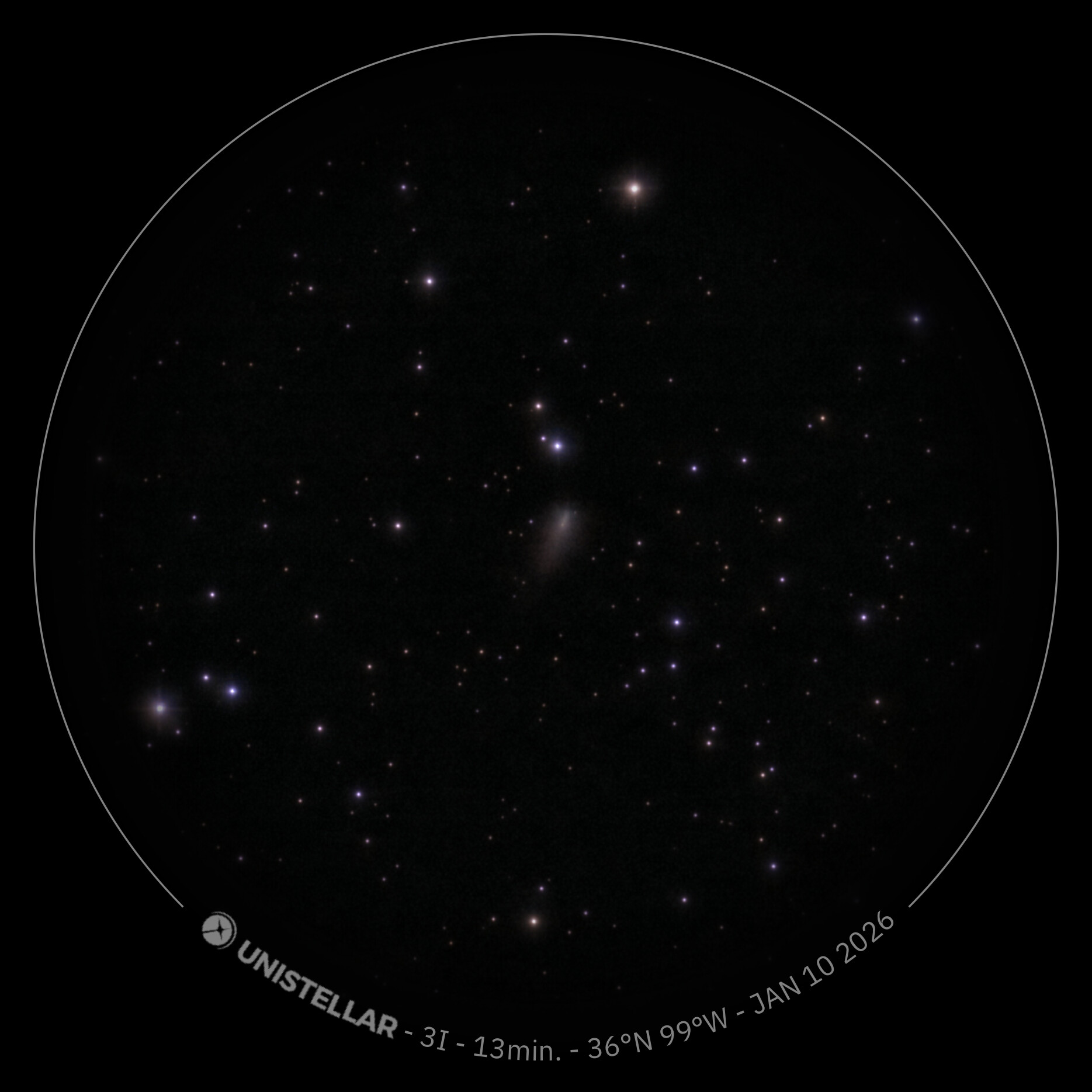
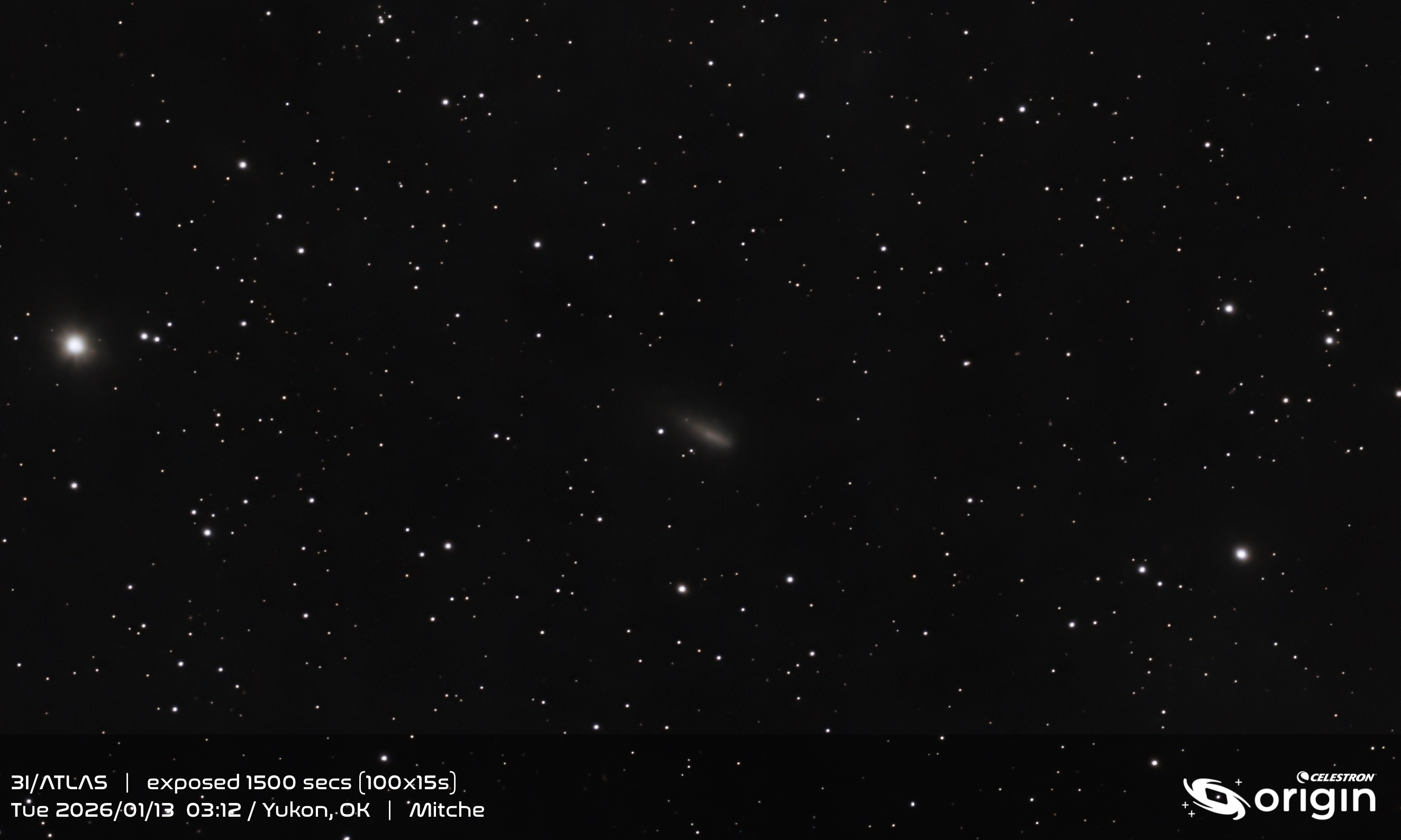
I don’t have an animation of it, but I’ve been capturing a lot of science observations and have uploaded them to SETI. I also got these images of it recently. The first is from my Odyssey, taken Saturday at CRO. The second is with my Origin, last night from my backyard.
Thanks for the positive comments. I have been really wanting to image 3I/Atlas. It has been in the news with lots of poor reporting as being an alien space craft, I was bound and determined to make sure I image this interstellar comet. But with the weather, family activities, and such, it wasn’t until November that I was finally able to get outside and figure out where I might be able to see the comet. I live outside of Tulsa and in a wooded area, so there is a limited number of places where I can view the sky. I got out the Stellarium app on my phone to aid in searching for a spot to set up. There was a good weather forecast for that evening, so I set up and prepared for an evening of imaging. Comet 3i was a morning object, so I also imaged C/2025 K1 (ATLAS) first. Then, around 4 AM, I moved to 3i. It turned out not to be the best evening for imaging. I had some high clouds, tree branches, and other issues, so out of 123 images, I was able to salvage 48 to stack and process. I still haven’t worked on K1 and it was much brighter and looks more like a comet with it’s nice tail.
I am posting my image of 3I here to show my completed work. It has a golden tint; I can almost make out a slight tail? Just the thought that this comet is interstellar and we were able to locate and track it is remarkable. I guess this is just one of the many things and draws me into the field of astronomy.
Those are very nice images with the Odyssey and the Origin. Maybe I need to get out again and try to image it again. I just figured it was too faint for my small scope.
Thanks,
Stan